test blog
test test
dgadsf
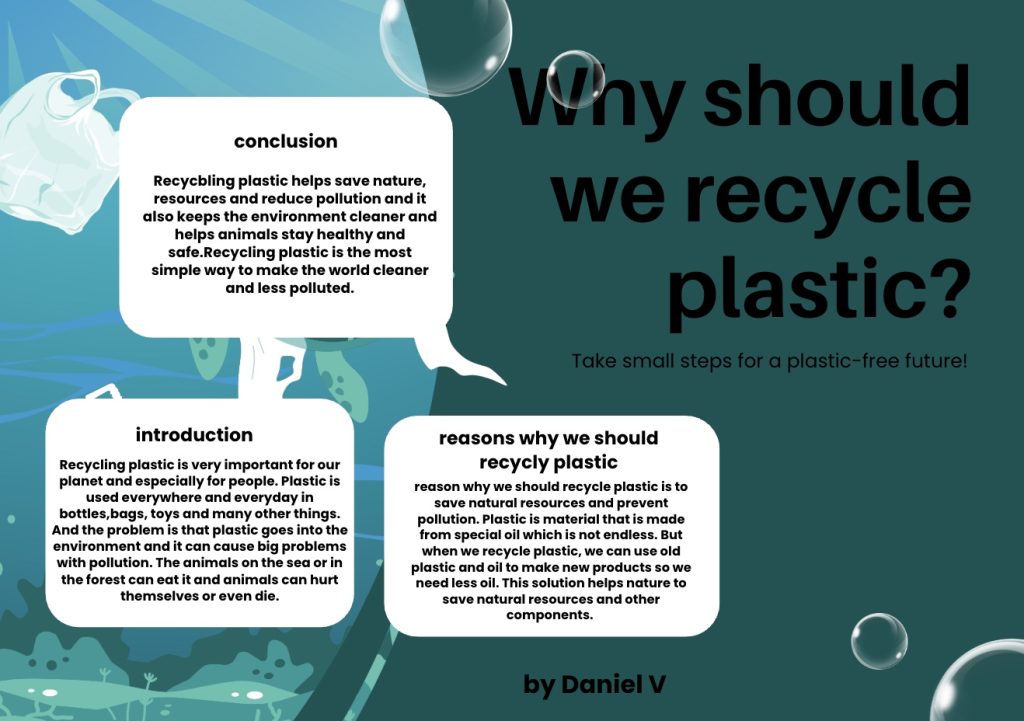
Description: asdfsadf Picture Credit: testtest
jhgjhg
Poetry uses forms and conventions to suggest differential interpretations of words, or to evoke emotive responses. The use of ambiguity, symbolism, irony, and other stylistic elements of poetic diction often leaves a poem open to multiple interpretations. Similarly, figures of speech such as metaphor, simile, and metonymy[8] establish a resonance between otherwise disparate images—a layering of meanings, forming connections previously not perceived. Kindred forms of resonance may exist, between individual verses, […]
jhgjhg
Most written poems are formatted in verse: a series or stack of lines on a page, which follow the poetic structure. For this reason, verse has also become a synonym (a metonym) for poetry.[note 2] Some poetry types are unique to particular cultures and genres and respond to characteristics of the language in which the poet writes. Readers accustomed to identifying poetry with Dante, Goethe, Mickiewicz, or Rumi may think of it as […]
jhgjhg
Poetry (from the Greek word poiesis, “making”[note 1]) is a form of literary art that uses aesthetic and often rhythmic[1][2][3] qualities of language to evoke meanings in addition to, or in place of, literal or surface-level meanings. Any particular instance of poetry is called a poem and is written by a poet. Poets use a variety of techniques called poetic devices, such as assonance, alliteration, consonance, euphony and cacophony, onomatopoeia, rhythm (via metre), rhyme schemes (patterns in the type and placement of a phoneme group) and sound symbolism, to […]
test
test test test
test
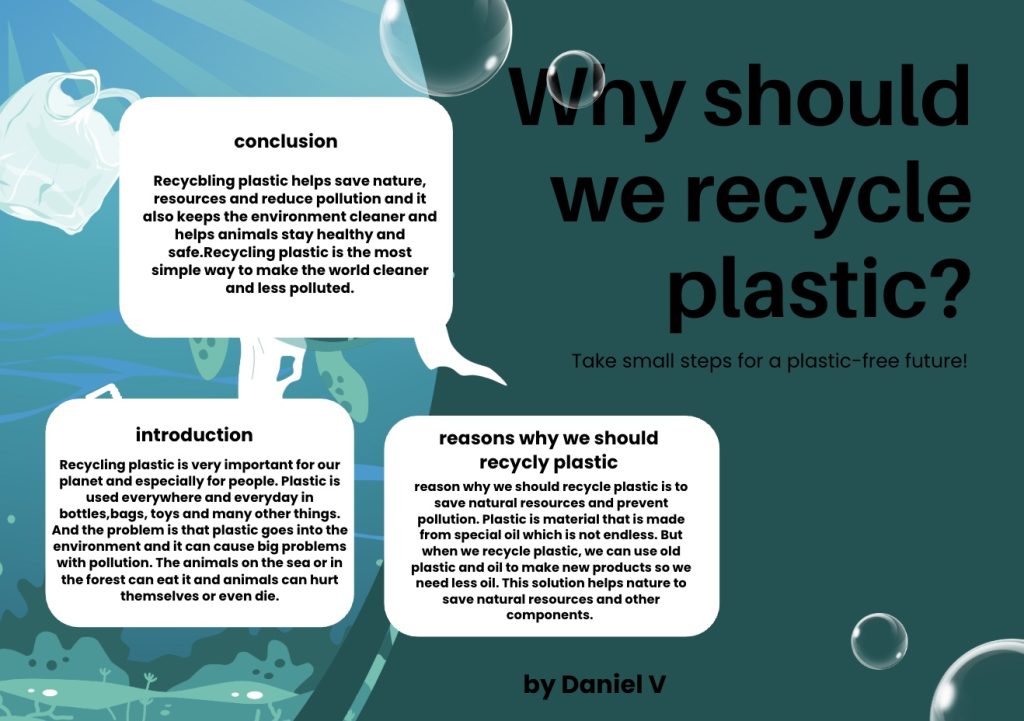
Description: test Picture Credit: test
test

Description: test2 Picture Credit: me
test
test